At BIM Arcavion, BIM is not treated as a standalone modelling exercise. We use it as a practical delivery tool that supports coordination, planning, cost control, and construction execution.
Our BIM services are designed to support projects from early design through to construction and handover. We focus on producing coordinated, reliable information that helps teams make informed decisions, reduce risk, and deliver projects more efficiently.
By aligning BIM processes with recognised standards such as ISO 19650, while keeping a strong focus on construction realities, we ensure that digital information remains clear, controlled, and fit for purpose throughout the project lifecycle.
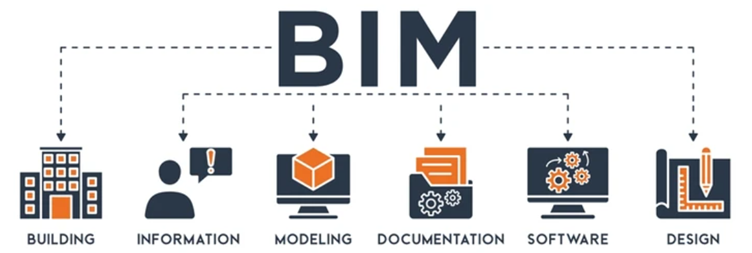
We provide discipline-specific BIM modelling services across architecture, structure, and MEP to support design development, coordination, and construction delivery.
Models are developed using Autodesk Revit and structured in line with project requirements, stage of delivery, and agreed modelling standards. Our focus is on accuracy, consistency, and coordination, ensuring that models can be confidently used for design reviews, clash detection, quantity take-offs, and construction documentation.
We work closely with designers, consultants, and contractors to ensure that models reflect both design intent and practical construction requirements.
BIM models evolve as a project progresses. Rather than being created at a single level of detail, models are developed in stages to suit different phases of design, coordination, and construction.
The Level of Detail (LOD) and Level of Information (LOI) define how much geometry and data are included in the model at each stage. This ensures that the model is appropriate for its intended use whether for concept design, coordination, cost planning, or construction delivery.
At the outset of each project, we agree the required LOD and LOI in line with the BIM Execution Plan and ISO 19650 requirements. This helps manage expectations, control modelling effort, and ensure that information is delivered at the right time and to the right level.
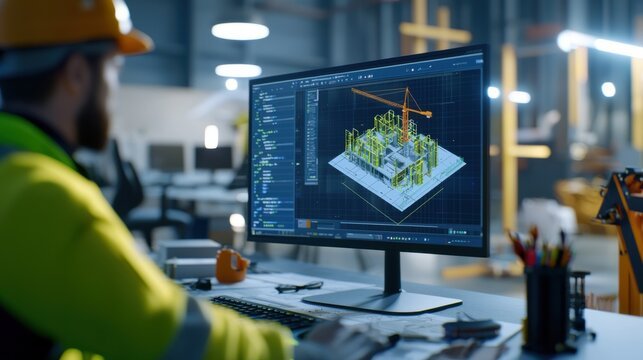
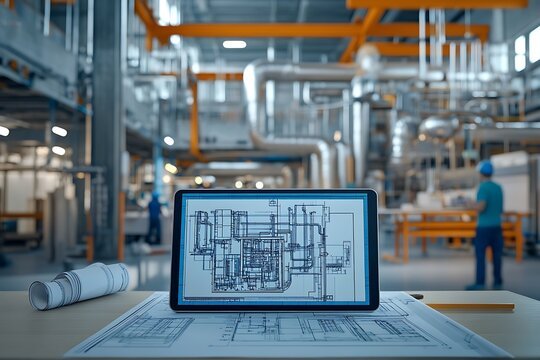
Effective coordination is critical to successful project delivery. We support multidisciplinary coordination by bringing together architectural, structural, and MEP models into a federated environment for review and clash detection.
Using structured coordination workflows and tools such as Navisworks, we identify clashes, spatial conflicts, and constructability issues early, when they are easier and more cost-effective to resolve.
Clear reporting, defined responsibilities, and regular coordination reviews help teams close out issues efficiently and reduce disruption during construction.
During construction, information needs to remain accurate, accessible, and aligned with site conditions. We provide BIM support during the construction phase to ensure that models and drawings continue to support site activities.
This includes maintaining and updating models based on site changes, supporting construction-ready drawings, coordinating between trades, and managing issues through Common Data Environments such as Autodesk Construction Cloud.
Our construction-stage BIM support helps ensure that digital information remains relevant and usable throughout delivery.

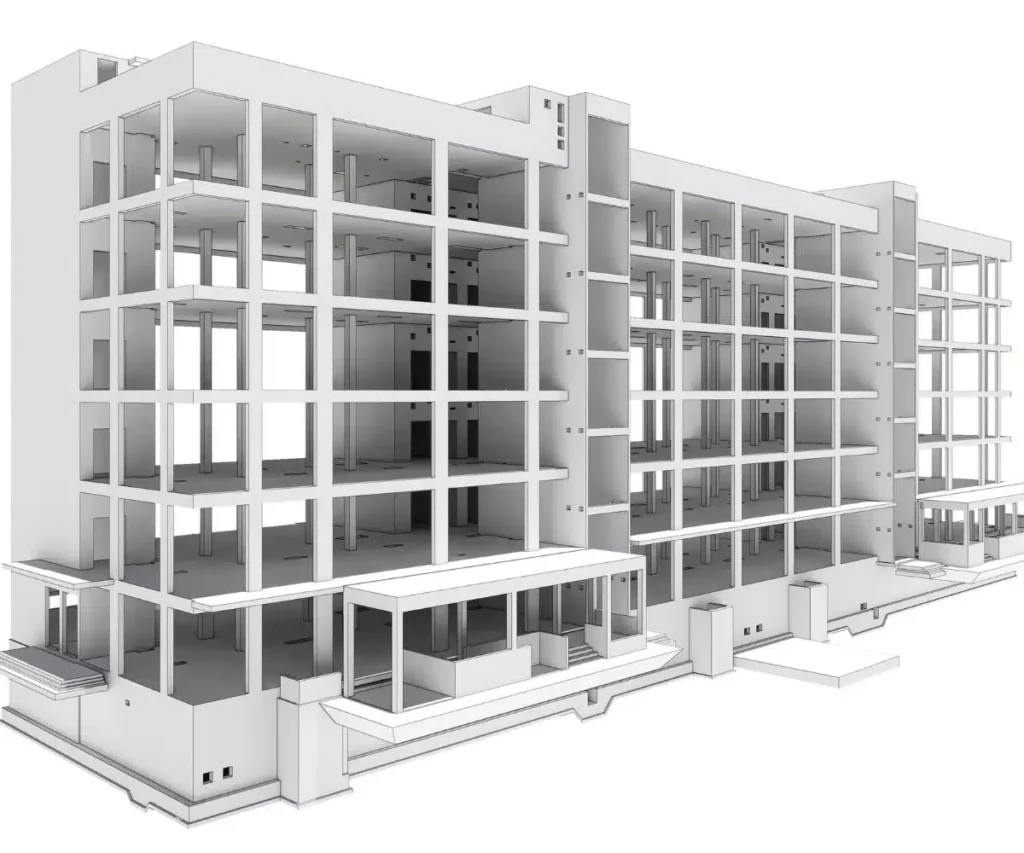
BIM can play a key role in programme planning and cost management when used beyond coordination.
With 4D BIM, we link BIM models to construction programmes to visualise sequencing, phasing, and access requirements. This supports clearer planning discussions and helps identify programme risks early.
With 5D BIM, we extract quantities from coordinated models to support cost planning, variation assessment, and commercial decision-making. This allows teams to understand the cost impact of design and construction changes more accurately.
Many projects begin with limited or unreliable information about existing buildings. Scan to BIM helps address this by creating accurate BIM models from laser scan or point cloud data.
We convert scan data into reliable architectural, structural, and MEP models that reflect real site conditions. These models provide a trusted base for design development, coordination, and construction planning, particularly on refurbishment, retrofit, and extension projects.
Scan to BIM reduces uncertainty, improves coordination, and helps minimise unexpected issues during construction.
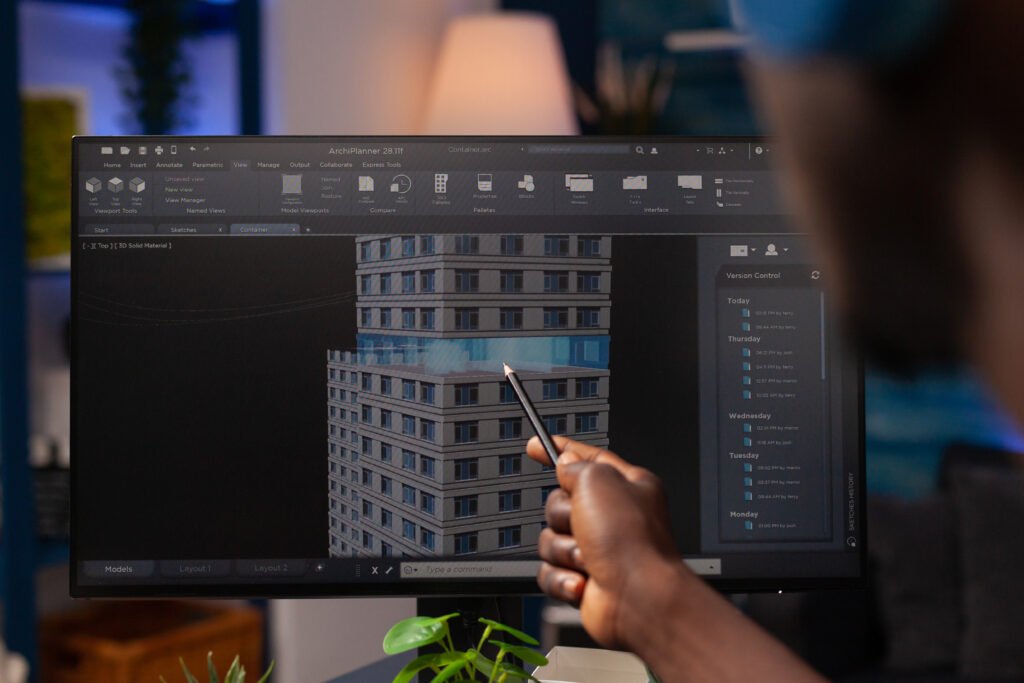

Accurate handover information is essential for long-term asset management. We support clients by developing as-built BIM models that reflect the final installed condition of the project.
This includes updating models to incorporate site changes and supporting the delivery of structured asset information, including COBie data where required. Our handover outputs are aligned with client requirements and ISO 19650 information management processes, ensuring that asset data is organised, reliable, and ready for operational use.
Across all our BIM services, our approach is built on clarity, coordination, and accountability.
We focus on delivering information that is accurate, structured, and genuinely useful for the teams responsible for delivering the project. By aligning BIM processes with recognised standards while maintaining a strong understanding of construction delivery, we help ensure that BIM supports real outcomes on site.
Our aim is to make BIM a reliable support system for project delivery not an additional layer of complexity.